
Header

Skip to main content

Slider

THE POWER OF THE PATIENT/PHYSICIAN COLLABORATION

In this unique webinar, you will hear Dr. Rodney H. Falk and his patient Sean Riley discuss the importance of patient/physician collaboration in diagnosis, using Sean’s personal journey to illustrate the challenges of diagnosing hereditary amyloidosis, a life-threatening rare disease that hides in plain sight.

Hear how listening, observing, and questioning are critical to getting to a diagnosis, along with the recommendation for providers to always bring an elevated suspicion and curiosity to find answers.

Fruit & Veggie Food Safety

Too lazy to wash your fruits and veggies? Here are a few statistics that may inspire you. The Centers for Disease Control and Prevention says about 48 million people are stricken with foodborne illness each year; 128,000 are hospitalized. Approximately 3,000 people die.

For patients with impaired or compromised immune systems, such as those going through chemo/stem cell transplant, practicing good food safety goes a long way.

Tips & Recipes for Healthy Eating with Amyloidosis


Are you wondering what diet to follow after a diagnosis of AL Amyloidosis? With so many unknowns and what-ifs, it is a scary and overwhelming time. Guest writer Lori Grover, herself an Amyloidosis survivor, provides helpful insights into healthy eating.

So much is out of your hands as you wait for test results and treatment options. I was terrified when I received my diagnosis five years ago. I found focusing on the things I could control (like following doctors’ orders, taking medications on time, reducing stress, and eating a clean diet) gave me back a small sense of power over my life.

I recently had the privilege of chatting about diet and Amyloidosis with Julieann Ray Cheng, a fellow Amyloidosis warrior, dietician, and author of soon-to-be-published “The Delightful Dietician” cookbook, who offered specific guidance, tips, and recipes to help manage the disease.

While there is no diet specific to AL Amyloidosis, Julieann recommends following a healthy diet to help you stay as strong as possible while you face treatment.


5 Tips for Healthy Eating: Variety is Key!

The following suggestions are based on the Dietary Guidelines for Americans 2020-2025.

1. Include all the food groups: vegetables, fruit, protein foods, dairy, and fat.
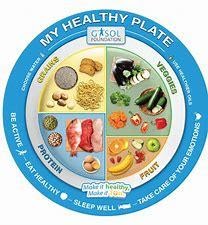
2. Colour your plate. Be sure to include various fruits and vegetables to get all the vitamins, minerals, nutrients and antioxidants you need.

3. Customize your diet according to any specific restrictions given by your physician. Your doctors may tell you to avoid certain foods that can interact with your medications. If you have kidney involvement, you may also have to closely monitor electrolytes and minerals such as sodium, potassium, and calcium. As this will differ for every patient, be sure to follow your doctor’s recommendations closely.

4. Be prepared to battle nausea as chemotherapy may upset your stomach. On days when you receive treatment, you may not feel like eating much. Eat small meals, and prep for the days you don’t feel well. Have healthy foods on hand, like homemade soups in the freezer, for quick and easy meals.

5. Watch your fluids. Keep a bottle of fresh water with you and frequently sip to avoid dehydration and dry mouth. If you suffer from edema, your doctor may give you specific directions about how much fluid you can consume daily.


Foods to Avoid when you have Amyloidosis

Watch out for sodium.  A healthy diet when you have Amyloidosis includes no more than 2300 mg of sodium per day (certain disease conditions like heart failure and kidney disease may recommend 1500 mg of sodium or less per day). Many foods contain surprisingly high amounts of sodium, so keep an eye on the labels. Choose fresh, frozen, and no-salt-added canned fruits and vegetables. Stay away from processed foods, the salt shaker, spice blends or soup bases that contain salt.

Speak with your doctor before consuming alcohol. The current recommendation is two alcoholic beverages per day for men and one alcoholic beverage for women.  However, if you take regular medications,  it is best to avoid daily consumption of alcohol because it can place additional stress on the liver. Alcohol contains a significant amount of calories and is not essential to a healthy diet. It’s best to avoid or limit alcohol to special occasions.

Limit added sugar to 10 percent of your daily calories (200 calories or 50 grams of added sugars based on a 2000 calorie diet). Watch out for beverages like soda, coffee with added syrups, and sugary juices. A better choice is water with lemon or other fresh or frozen fruit to provide flavour. Foods that contain added sugars include breakfast cereals and bars, candy, high-fat milk and yogurt, desserts, and sweet snacks.  Consider fresh or canned fruit to satisfy your sweet tooth and provide your body with essential vitamins, minerals, and fibre.

Limit saturated fat to 10 percent of daily calories (200 calories or 22.2 grams of saturated fat based on a 2000 calorie diet). Fried foods, high-fat meats, whole-fat dairy, ice cream, coconut or palm oils, and butter contain saturated fat. Skip these whenever possible and choose healthy fat instead. Baking or roast foods, choose lean cuts of meat and remove the skin, and use olive, canola, sunflower, safflower, or soybean oil in place of butter, coconut or palm oil.


How Does Your Diet Rate?



The most important part of sticking to a healthy diet when you have Amyloidosis is to enjoy your food while you nourish your body. Making necessary adjustments will have an enormous impact on your overall health.

If you feel overwhelmed, consider making one change at a time and adapting the transition to your lifestyle. Most changes will set in and feel like your new normal after about three weeks. Look at each day as an opportunity to nourish your body with healthy foods.

Make the right choices, and your body will thank you! For more tips on implementing these healthy changes check out our posts Amyloidosis and Diet or our Treatment Survival Guide.

Finally, Julieann has graciously provided two delicious healthy recipes from her upcoming cookbook that she routinely prepares as she manages her amyloidosis diet.

Enjoy!


Lori Grover is a guest blogger for Mackenzie’s Mission. She was diagnosed with AL Amyloidosis in 2016 and writes to share experiences and lessons learned during her journey.  More wonderful blogs by Lori can be found on her page Amyloid Assassin.  Lori is a freelance copywriter, and a mom of two wonderful boys. She loves writing, reading, and all things crafty.

Julieann Ray Cheng is an Ohio-based dietician who was diagnosed with AL Amyloidosis in 2018. When not in the kitchen, she loves to travel with her family and shop for goodies. Keep an eye out for her cookbook “The Delightful Dietician,” available in the fall of 2021. 


Easy Vegetable Soup  (Servings:  6 – 10 oz bowls)

1 small onion, diced

2 teaspoons of olive oil or oil of your choice

4 stocks of celery, diced

2 potatoes, diced or 1 c small pasta noodles (if reducing potassium)

1 pound frozen mixed vegetables (carrots, corn, green beans, peas)

14.5 oz canned tomatoes, diced (may use low sodium or no added salt)

6 cups vegetable broth (may use low sodium or no added salt broth)

1 teaspoon garlic powder

½ teaspoon white or black pepper

In a medium saucepan add olive oil, diced onions, diced celery. Sautee on medium heat for 5 minutes.

Add vegetable broth, mixed vegetables, diced potatoes, garlic powder, and white or black pepper.

Bring to a boil and simmer for 15 – 20 minutes uncovered.

***If reducing the potassium omit the diced potatoes and diced tomatoes, add 1 cup small pasta noodles, ½ pound of mixed vegetables, and 2 cups vegetable broth.

By:  Julieann Ray Cheng, The Delightful Dietitian


Color Your Plate Chicken Sheet Pan Dinner  (Servings:  4)

4 chicken breasts

1 teaspoon garlic powder

1 teaspoon onion powder

½ teaspoon black or white pepper

1 teaspoon Rosemary

2 diced sweet potatoes, or 6 diced carrots (if potassium restriction is needed)

1 pound frozen tricolor peppers and onion blend

1 pound fresh or frozen broccoli or brussels sprouts

1 garlic clove, minced

2 tablespoons oil

Pre-heat oven to 400 degrees F.

Line a sheet pan with parchment paper for easy cleaning.  Spray with cooking oil.

Season chicken breast with garlic powder, onion powder, black or white pepper, and Rosemary.  Place on one side of the sheet pan.  Add diced sweet potatoes on the other side of the sheet pan.  Bake at 400 degrees for 30 minutes.

While the chicken breast and sweet potatoes are baking.  In a bowl add frozen tricolor peppers and onion blend, broccoli or brussels sprouts, garlic, and oil.

Remove pan from oven.  Add vegetable mixture to the sweet potatoes and toss.  Place back in the oven for an additional 25-30 minutes until the chicken reaches an internal temperature of 165 degrees F.

Remove from oven and allow to rest for 5 minutes before serving.

**If the chicken breast is cooked with skin, Place under broiler for 4-5 minutes to crisp the skin of the chicken and vegetables at the end of cooking time.

***If sweet potatoes are omitted, add carrots with other vegetables during the second half of cooking.

By:  Julieann Ray Cheng, The Delightful Dietitian

Comfort & Connection

Messages of comfort came flooding in, phone calls, friends and neighbours asking, “How can we help? What can we do?” This love and support are what got my family and me through one of the most challenging times of our lives.

In 2016 I was diagnosed with a rare blood disorder called AL Amyloidosis and given a fairly bleak outlook. Instead of planning my son’s first birthday party, I was researching a disease I had never heard of, searching for answers I hoped would save my life.

My best chance for survival was a clinical trial combined with chemotherapy. (long story short, after a long battle, here I am, sharing my story with you.)

I would not have gotten through this terrifying time without the fantastic support system I had. There were big gestures like my parents moving in to care for our two young children and my dad driving me 4 + hours every week to receive my life-saving medicine.

But there were also a million acts of kindness. Neighbours dropping in with dinner, walking the dog or taking the kids to the park. Messages of support, cards in the mail, inspiring notes, and so many amazing people reaching out to say, “I love you. I am here.”

When someone is suffering, we often feel helpless.  

Have you ever been in a situation like this? When a loved one is in pain, and you don’t know how to show up?

There is no perfect way. Just do it. Over and over again, with small gestures that show you care. Comfort, connection, and just knowing you aren’t alone goes so far.

We are hard-wired to need people, companionship, connection and comfort. In hard times, but also to share in our joy, wins, and celebrations.

It is easier than ever to stay in touch with loved ones, yet loneliness is on the rise (Even before the pandemic). In a Cigna[i]study, 47% of Americans reported feeling lonely.

Jen Marr, author of Paws to Comfort and an expert on human connection, points out, “Loneliness is not about being alone. Loneliness is feeling like no one cares.” It’s more about relationships than physical presence. Real comfort means showing up. It’s consistent, little acts that show you care.

Bring Comfort & Care into Your World

In a lovely chat I had with Jen, she points out that we can learn the skill of comfort. We can gain confidence in how to show up for our loved ones when they need us most.

  • Making a substantial effort to find connection and support is essential to make it through times of stress. It might look a little different right now, but phone calls, text messages, video chats, and other creative ways of connecting are essential.


  • Push through the awkwardness and put yourself out there. It doesn’t have to be a perfect grand gesture. Just do one little thing. And then keep doing it, over and over again.


  • Comfort is an action – it’s a million little things. Jen suggests looking at it like marbles in a jar. The more marbles you put in someone’s jar, the deeper the connection will be.


Comfort and connection are ultimately what our world so desperately needs right now. (To push through COVID and beyond!) We need to focus less on our differences and more on what we do have in common – we are all just a bunch of imperfect people struggling to get through this, trying our best every day to make the right choices. And we need to lean on each other to do it. We have the power to make this world a much more beautiful place. And it all starts with a connection.

Thank you so much, Jen, for taking the time to speak with me! You are a fountain of knowledge. Your perspective and kindness are truly contagious.


Lori Grover is a guest writer for Mackenzie’s Mission. She was diagnosed with AL Amyloidosis in 2016 and writes to share experiences and lessons learned during her journey.  More wonderful blogs by Lori can be found on her page Amyloid Assassin.  Lori is a freelance copywriter, and a mom of two wonderful boys. She loves writing, reading, and all things crafty. 

——————————————————————-

Jen Marr, co-founder and CEO of Inspiring Comfort and author of Paws to Comfort: An Everyday Guide to Learning How You Can Help Mend Our Disconnected World.  Inspiring Comfort, the pioneer of comfort as a teachable skill, is a social good company founded on the belief that today’s increasingly isolated, socially disconnected and hurting world demands that we do a better job caring for one another.

Jen spent over 5 years in crisis response settings such as the aftermath of Sandy Hook Elementary and the Boston Marathon Bombing, with beautiful golden retrievers trained to be a comforting presence for those in need.

It seemed there was a shift in the world, and many people didn’t know how to comfort those around them. They didn’t know what to do, so they did nothing at all.

In response to this need, Jen began the program Club Comfort, which aimed to bring together those who faced trauma and ensure they felt cared for.

The demand was so great, and the program such a success that it quickly grew into Inspiring Comfort (workshops and DIY programs that teach the art of comfort) and led to the book, Paws to Comfort: An Everyday Guide to Learning How You Can Help Mend Our Disconnected World. 

In Jen’s words, “We all have too much to lose if we don’t find ways to care for each other. The alternative is a lonely and hurting world. And we can’t have that.”


Amyloidosis and Diet

While there is no special diet that will cure or treat Amyloidosis, both healthy eating and following doctor-recommended restrictions are essential. Guest blogger Lori Grover offers some tips on dealing with dietary changes.


According to Myeloma UK, eating a healthy diet increases energy levels, maintains muscle strength,  boosts your immune system and helps recovery after treatment. As you can see, making healthy choices makes sense. But easier said than done, right? Eating a healthy, balanced diet can be tricky for anyone. When your stress levels are high, and you feel horrible, making those necessary changes can be daunting. Because the disease affects everyone differently, your unique situation will determine the dietary suggestions that are made for you.

AL Amyloidosis can impact diet in a few ways.

  • Specific recommendations may be made as part of a plan to manage heart and kidney disease to prevent any further damage to organs
  • If kidneys are affected additional suggestions may be made to keep electrolytes in balance (especially if Dialysis is involved)
  • A low sodium diet and fluid restrictions may be suggested to combat edema
  • Certain foods or dietary supplements may be restricted because they interfere with medications
  • Dietary changes may be recommended to help deal with nausea, constipation, or diarrhea
  • A ‘clean diet’ may be advised if your white cell count is low (Avoidance of high-risk foods such as raw eggs, or shellfish)


Facing these dietary changes isn’t easy. Here are a few tips to ease the transition.

  • Look at it as a challenge.  Use it as an opportunity to try new foods, test out different cooking methods, and experiment with healthy recipes. Keep an open mind and try new things.
  • Focus on the foods you CAN eat rather than on the foods you can’t. Doctors and dieticians tend to give you lists of the foods you can no longer enjoy. While necessary, focusing on the things you can’t have can be depressing and overwhelming. Try to shift your focus and make a list of all safe foods and meals you can continue to enjoy. Having a go-to list on hand is useful when you’re feeling overwhelmed.
  • Create a collection of your favorite healthy recipes and try some new ones. Helpful websites to check out are Davita, Heart Foundation, and The Heart and Stroke Foundation. Experiment with new recipes and keep an open mind. If one fails, try, try again.
  • Meal plan, prep, and batch cook. Having ideas on hand makes mealtime easier. Some days you’ll have more energy than others. On those days, make extra and freeze and prep for other meals, so things will be all set for you when you’re feeling low.
  • Eat frequent, small meals throughout the day. Not only can it help if you’re feeling nauseous, but it also keeps you full and helps to avoid cravings. If you wait until you’re starving to eat, you’ll be more inclined to make bad decisions.


A low sodium diet may be recommended for both kidney and heart health.

Excess sodium in your diet contributes to fluid retention. Symptoms are swelling, puffiness, a rise in blood pressure, and shortness of breath (due to fluid around the lungs and/or heart).

The National Kidney Foundation recommends a maximum of 2300 mg of sodium per day and your doctor may recommend even less.

A balance must be struck to achieve an optimal sodium level for you, so follow your doctor’s recommendations carefully.  Limiting salt can be challenging, especially in the beginning, as your taste buds adjust. Keep at it and don’t give up…it will become your new normal.


Tips on dealing with a low sodium diet.

  • Avoid processed foods as much as possible. Read labels and choose lower-sodium varieties.
  • Eat whole foods and cook from scratch. Although it is more time consuming, cooking from scratch allows you to control the amount of salt.
  • Experiment with different spices and herbs to add flavour to your foods.
  • Add an acid when cooking, like a squeeze of lemon juice or vinegar to brighten flavours.
  • Pay attention to sauces, gravies, and salad dressings as they can contain a surprising amount of sodium
  • If potassium levels are a concern for you, be cautious with salt substitutes


A fluid-restricted diet may be advised to combat edema.

A common and severe side effect of AL Amyloidosis is fluid overload. This happens when you’re taking in more fluid than your kidneys can remove. A balance of restricting sodium and fluid, paired with diuretic medications, can help keep your fluid levels in check. In most cases, between 1.5-2 litres/ day of fluid is recommended.

Tips on dealing with fluid restriction

  • Fill a water bottle in the morning, and drink from it throughout the day to help you keep track of your water intake.
  • Keep a log (at least at the beginning) until you get an idea of how much fluid you are taking in, and don’t forget to include things like jello, watery fruit, and ice cream.
  • Plan to spread the fluid you drink throughout the day.
  • If dry mouth is a problem, ice chips, hard candies, and mouth rinses or sprays can help.


A low protein diet may be suggested to protect kidney health.

The goal is to strike a balance. While protein is necessary for growth and repair of your body, foods high in protein can add to the workload of the kidneys. When protein is digested, a waste product called urea is produced. If your kidneys are not functioning correctly, urea can build up in your bloodstream and cause further complications. For this reason, your doctor may suggest you limit your high protein foods.

Tips on dealing with a low protein diet:

  • Adjust the ratio of protein to vegetables in your recipes. Add more vegetables and starches to dishes such as soups and stews, to stretch it out and make it seem more substantial.
  • Think of vegetables and grains as the main dish, and protein as your side dish
  • Experiment with different types of protein, including plant-based options
  • Start a ‘meatless Monday’ as part of your routine, to test out vegetarian options


Specific foods and supplements may be limited.

  • You may have to cut out certain foods or supplements if they interact with the medications you are taking. For example, green tea and high dose Vitamin C can interfere with Bortezomib (Velcade) and make it less effective. Your doctor will give you a list of foods and supplements to avoid. Follow the recommendations carefully, and be sure to check with your medical team before adding any over the counter medications or supplements to your diet.
  • If your kidneys are affected, your levels of electrolytes and minerals will be closely monitored. Your kidney care team will make recommendations based on your levels. For example, you may have to avoid high potassium foods or those with high calcium levels.


There is no one size fits all diet for AL Amyloidosis. What is best for you will be decided based on your unique situation. Experts do agree that healthy eating has many benefits. And when you’re already facing so much, you want to do whatever you can to be your healthiest self.

The best take away tip I can give you is to keep an open mind and be ready to experiment. As you try new things and choose healthier options, you will adjust, and healthy eating will be your new normal.

For more tips on implementing these healthy changes check out our posts Tips & Recipes for Healthy Eating with Amyloidosis or our Treatment Survival Guide.


Resources

Myeloma UK handout                                                        The Heart Foundation

National Kidney Foundation

Heart and Stroke Foundation

Amyloidosis Foundation

Ted Rogers Heart Function


Lori Grover is a guest blogger for Mackenzie’s Mission. She was diagnosed with AL Amyloidosis in 2016 and writes to share experiences and lessons learned during her journey.  More wonderful blogs by Lori can be found on her page Amyloid Assassin.  Lori is a freelance copywriter, and a mom of two wonderful boys. She loves writing, reading, and all things crafty.

Support Groups: Can They Play A Role In Your Treatment?

Have you recently been diagnosed with Amyloidosis? Wondering if joining a support group, whether online or in person, would be right for you?

When I was diagnosed with AL Amyloidosis, I thought that it wouldn’t be for me. It took me over a year to join. I had a picture in my mind of what it would be like. I envisioned a group of people gathered together to complain about how sick they were. I was afraid to get a glimpse of my future. I pictured a giant pity party.

What I experienced was extremely different. These groups are full of survivors! They are handling this disease with the most positive attitude possible and are making the best of the hand they have been dealt. I have learned so much from these people.

In these groups, you will find people who have been where you are, recently diagnosed, scared, and overwhelmed. You will find people willing to share the tips and tricks that helped them face some of their darkest moments and most difficult times. You will find people to help support and encourage you through your journey.

To find out more about the role of the support group, I reached out to Muriel Finkel from the Amyloidosis Support Groups (ASG) and Marsha McWhinnie from the Canadian Amyloidosis Support Network (CASN).


WHO IS THE SUPPORT GROUP FOR?

Support groups are for patients with all types of Amyloidosis and their caregivers. Their websites are full of information and resources. Online support groups such as the Amyloidosis Support Groups on Facebook, CASN, Smart Patients, and One Amyloidosis Voice are private and require access permission by the administrators. Such security for access offers comfort for the participants to reveal more personal information. In person support groups provided by Amyloidosis Support Groups, CASN, and the Amyloidosis Foundation, offer additional services and support for patients, as well as access to expert medical professionals.


WHAT IS THE GOAL OF THE SUPPORT GROUP?

Support groups, in general, are concerned with awareness and education. Their goal is to educate and empower patients, promote awareness, support medical research, and to improve the quality of life for those with Amyloidosis.


WHAT SERVICES DO SUPPORT GROUPS PROVIDE?

  • Both ASG and CASN operate a toll – free number, the primary goal of which is to provide a compassionate, understanding ear to those recently diagnosed. If you have received this life-altering and scary diagnosis, this call can let you know you are not alone and that there is hope.
  • Their websites provide educational videos and articles, medical referrals, patient stories, links to Amyloidosis support resources, and lists of upcoming meetings.
  • Both groups host support group meetings, which provide an opportunity to meet other patients and caregivers. During these meetings, an Amyloidosis expert presents, and there is an opportunity to ask questions and share your story. The ASG hosts meetings throughout the United States and the CASN has meetings in Toronto and Quebec.
  • The Amyloidosis Support Group also holds a special meeting for ATTR in Chicago every two years, with the top experts in the country participating and presenting.
  • ASG sponsors multiple groups on Facebook so patients and caregivers can chat with each other, share stories, and ask questions. These groups are mediated by wonderful volunteers who are up to date with the latest treatments and advances in the field, with assistance from medical advisors. The groups on social media allow patients from all over the world to connect.
  • Smart Patients is an online forum with conversations among the amyloidosis community, with topics ranging the full gamut from symptoms to treatment.
  • A new online community was recently launched called ‘One Amyloidosis Voice,’ which has a message board, social wall, trusted resources, a news and meetings section, and a diagnosis educator.
  • Through online forums and participation in local events, Support Group administrators and volunteers spread the word about Amyloidosis, with the goal of increased awareness.
  • Both groups are interested in supporting medical research by sharing information about clinical trials with patients. Pharmaceutical reps are sometimes present at meetings to answer questions, and to help connect patients with trials that might be right for them.


WHAT A TYPICAL SUPPORT GROUP MEETING LOOKS LIKE

Although each meeting varies and ends up with a flow of its own, administrators do follow a basic outline which includes the following:

  • New Business – A discussion of what is new in the field of Amyloidosis and what the Support Group has been working on
  • Guest Speaker – An interactive presentation from an Amyloidosis expert (usually a doctor or other medical professional)
  • Question and Answer Period – Questions are encouraged, and one on one time with the presenter may be possible
  • Meal or snack is provided (depending on the timing of the meeting)

The atmosphere is laid back and comfortable, and patient confidentiality is paramount. It is absolutely your choice as to whether you share your story and ask questions.


BENEFITS OF THE SUPPORT GROUP

  • You hear inspiring stories which can provide comfort and hope for the future.
  • You are kept up to date with the treatments, clinical trials, and medical breakthroughs.
  • You can share your story with people who genuinely get it.
  • You can ask for help if you have questions. Facing symptoms and looking for relief? Concerned about a new symptom or side effect? Chances are there is someone in the support group who has faced it and can offer help and support.
  • You can find information on what to expect from treatment. There are people in these groups who have endured stem cell transplants, chemotherapy, and have participated in clinical trials. In some cases, patients have tried various types of treatments and can offer suggestions of what to expect, and how to deal with side effects.
  • You can also find information on the leading Amyloidosis Specialists and Centres of Excellence. Because Amyloidosis is such a rare disease, it is vital to get the experts on your team.
  • Need to vent? We do that too. Sometimes it just becomes too much. The weight of it all hits and you feel overwhelmed and lost. There’s someone here who can provide a listening ear.

I am so glad that I decided to join these support groups. Not only do I get to hear the inspiring stories of those who are making life happen despite the challenges they face, but I have learned SO MUCH.  Amyloidosis patients who have been living with this disease for years have a wealth of information. The administrators of the groups are also up to date with current treatments, clinical trials, and medical breakthroughs happening in the field of Amyloidosis.

I have met people whose advice has helped me through challenging times. There is something special about talking with someone who has been where you are now. Someone who has received the same diagnosis and faced the same overwhelming feelings of fear and uncertainty. To know that others have been where you are and have come out the other side is comforting and inspiring.

Thanks to these support groups I know I am never alone.


How to contact a support group near you

Amyloidosis Support Group

http://www.amyloidosissupport.org/

1-866-404-7539

Canadian Amyloidosis Support Network

http://thecasn.org/

1-877-303-4999

Amyloidosis Foundation

http://amyloidosis.org/resources/#websites-and-support-groups

One Amyloidosis Voice

https://www.oneamyloidosisvoice.com/

Smart Patients

https://www.smartpatients.com/


Lori Grover is a guest blogger for Mackenzie’s Mission. She was diagnosed with AL Amyloidosis in 2016 and writes to share experiences and lessons learned during her journey.  More wonderful blogs by Lori can be found on her page Amyloid Assassin.  When not writing, she is mostly a stay at home mom, florist, crafter, lover of books and food. Enjoy!


Treatment Survival Guide for AL Amyloidosis

The treatment for AL Amyloidosis varies and can include chemotherapy, a stem cell transplant, or immunotherapy. Each of these treatments comes with its own set of issues and side effects. If you are newly diagnosed and just beginning one of these treatments, it can be a scary and difficult time. The uncertainty of it all can be overwhelming. If you’re worried about what you’re about to face, here are some tips and tricks from patients who have been there. Hopefully, this treatment survival guide can help make the whole process just a little bit easier for you.

Preparing for treatment and having a plan in place (even if things don’t go according to that plan) can help the whole process go a little bit more smoothly. Having an idea of what to expect in terms of side effects helps you recognize and treat them immediately. Learning how to deal with the mental stresses can be as important as dealing with physical stressors. And living your healthiest lifestyle can help make the treatment as successful as possible.


Preparing for treatment

  • Ask your medical care team about what side effects you can expect, and what medications you can use to control them (such as anti-nausea medication, or mouthwash for mouth sores). Having a plan in place means you can treat symptoms early; knowing what to expect will lessen the shock of facing these side effects.
  • Create a support system: family, friends, doctors, homecare, neighbors, join a support group. This is a time to ask for help.
  • Make a list of things that family and friends can do to help you out. They can be a great supportive resource but often don’t know what to do. Ask them to walk the dog, pick up the kids, or drop off dinner.
  • Ask for help in the kitchen and plan for meals. Make and freeze your favorites so you don’t have to cook, and stock up on foods that are easy to prepare.
  • Pack a bag to bring with you to treatments. Include things such as snacks, water, books, headphones, mints or gum. Click here for a more complete list.
  • See your dentist before you start treatment (time permitting of course).
  • Do some research on what organizations are out there to help you. There are many reliable sources of information that can help answer your questions.  Check out this resource page from Mackenzie’s Mission for suggestions.
  • Seek out services that can give you some back up. Whether it is a meal delivery service, a cleaning company, or a car service to get you to your appointments, there are options out there to make your life easier. These will vary depending on your location, so ask around to find services close to you.


Dealing with side effects

  • Communicate openly with your health care team. Don’t suffer in silence. Be sure to report any side effects you face.
  • Keep a notebook to record any problems you have and when they occur. It can be difficult to remember all that happens between appointments.
  • Take your medication as directed to lessen any side effects. Timing can be important here, as is the case of anti-nausea meds, so follow directions closely.
  • Ask around! If you haven’t joined already, support groups are filled with people who have gone through the same or similar treatments; they may have suggestions as to what helped them deal with side effects. But be sure to check with your doctors before trying anything new.


Coping with the stress of it all

  • Battling physical symptoms seems obvious, but there is also a mental game involved. Keeping your spirits up through treatment is important but not always easy.
  • Many complicated emotions will come up during the treatment process: anxiety, grief, anger, denial, guilt. You don’t have to be strong 100% of the time. Talk about these feelings with a friend, family member, your doctor, or a therapist.
  • Create something that lifts your spirits, like a photo album of loved ones, an inspirational board, or a journal of your favorite quotes. Keep it close at hand for those tough times.
  • Focus on the things you can do, rather than the things you had to give up. Pick up some new low energy hobbies to help keep you occupied and your mind off your troubles.
  • Remember you are not alone. There are a lot of survivors out there willing to share their story, especially if it helps to make the life of someone newly diagnosed just a little bit easier.
  • Schedule time for fun! Make sure you spend some time doing things you enjoy. Now is the time to treat yourself well.

Living your healthiest lifestyle  

  • Ask your healthcare team what exercise is best for you. There may be times when it’s just not a possibility, but if you can get outside and take a short walk, do it! Just don’t push yourself too hard.
  • You will probably face a few dietary restrictions. Common ones are low sodium and fluid restriction, as well as avoidance of certain foods that can either conflict with medication or irritate an already sensitive stomach. Ask if your hospital has a dietician you can speak with who can create a plan tailored to your needs.
  • Follow those doctor’s orders! And communicate openly with your healthcare team. Keeping a journal of your treatment plan, medications you take, and side effects you experience, will help you keep it all straight.
  • Do what you can to prevent the spread of virus and infection: practice food safety, wash your hands, wear a mask, don’t visit with anyone who has a cold or virus.
  • Get plenty of rest. Try not to push yourself too hard. There will be times you’ll get frustrated with your limitations. Remember to give yourself a break, take it easy on yourself; you’ve got a lot going on.


Recognize that some days will be harder than others. Sometimes the best you’ll be able to do is to just breathe and get through the day.

Remember to reach out if you’re having a rough time. Sometimes just hearing that someone else has walked a similar path and come out the other side can give you the motivation you need to put one foot in front of the other and just keep going.


Lori Grover is a guest blogger for Mackenzie’s Mission. She was diagnosed with AL Amyloidosis in 2016 and writes to share experiences and lessons learned during her journey.  More wonderful blogs by Lori can be found on her page Amyloid Assassin.  When not writing, she is mostly a stay at home mom, florist, crafter, lover of books and food.

Building a Caregiver Team

BUILDING A CAREGIVER TEAM

There are times when those afflicted with amyloidosis need assistance — a caregiver. In some instances, such as a stem cell transplant (SCT), the treatment is so extensive that securing a caregiver is required before treatment commences. It is for these situations that we thought we’d share some thoughts about how to build a caregiver team.


CONSIDER YOUR NEEDS

The role of a caregiver can be intensive and draining. In particular, SCTs performed on an outpatient basis, while deemed to be good for patients, shift a significant amount of work to the caregiver (see https://mm713.org/transplant-inpatient-vs-outpatient/).

Begin by itemizing the different aspects surrounding your caregiver roles, such as the following:

  • Expected duration of treatment
  • Location
  • Meals (e.g., cooking, shopping)
  • Transportation
  • Basic medical monitoring and care (e.g., drug administration and tracking, food and liquid intake tracking, vitals monitoring)
  • Administration (e.g., insurance)
  • Care for kids and/or pets
  • House sitting


WHO IS AVAILABLE TO HELP

Family members are often the first call to offer caregiver support. Neighbors and good friends often stand at the ready to help as well. Embrace and accept their help.


HOW TO ASSEMBLE THE TEAM

Particularly if the expected duration is long, caregivers need breaks. The caregiving process itself can be intensive and draining, and they have their own daily needs to attend to as well.

It is not uncommon to have multiple sequenced (one after another) caregivers during a four to six-week SCT treatment. However, another way to think about assembling your caregiver team is to line them up to work in parallel and together. You may be able to extend the duration of each caregiver if their tasks are narrower in scope. In addition, assign tasks consistent with each caregiver’s skills.

In my situation, I needed to prepare for having a SCT on an outpatient basis. I was extraordinarily fortunate to have four family members live with me throughout the entire treatment process. We figured it would be most productive to allocate responsibilities based on skills and that we would build in breaks from the intensity. Here’s how my caregiver team looked:

  • My Dad. He was in charge of room and transportation. We needed a place to stay for five people for up to six weeks (we found a fantastic transplant-friendly house through HomeAway near the Mayo Clinic in Rochester). We also needed transportation to get all of us to/from Rochester, and determine how best to get around during our stay (a combination of fly and drive so that we had a car).  Four of us were coming from the Washington D.C. area, and one from the Los Angeles area. Lots of logistics to consider.


  • My Mom. With her strong organizational skills and squeamishness towards all things medical, she was in charge of all things administrative and insurance-related. She was in charge of making the list of things we needed to bring or buy to set up the household and kitchen. She brought favorite recipes so we could more easily muster grocery lists. In addition, she would collect receipts, track mileage, and made sure there was good coordination between our insurance provider and Mayo Clinic. This is a procedure that requires advance authorization and is expensive, so attending to the financial aspect is important.


  • My Brother. He is three years younger than me (20, and I was 23), studying pre-med with a keen interest in becoming a physician, in addition to a strong interest in sports and nutrition. His role was three-fold: exercise for all of us (myself included), nutrition, and assist in monitoring my vitals and food/liquid intake. Our rental house neighborhood was flat and had sidewalks, offering an easy way for all of us to get some fresh air even if just for 15 minutes at a time. We also found a local fitness club that we could join for a month-to-month low cost, offering another way for the caregivers to rotate to work up a sweat and work off stress.


  • My Aunt. Being an oncology pharmacist, she was the obvious pick to administer my drugs, which were extensive, and monitor my vitals and food/liquid intake. In addition to the required drugs, there was also the as-needed drugs for pain, nausea, fever, etc. that she would collaborate with the Mayo medical team. Her expertise was priceless, particularly during those days when things were most difficult.

For our two pups, we found an extraordinarily loving “free range” place that lets the pups play with other like-sized pups all day, and then boards them at night. It gave us great peace of mind knowing they weren’t caged all day and night for a month. In addition, we arranged for them to send us weekly pictures, which quickly became something to look forward to.

Once we began the SCT process, I worried about nothing other than myself. I left it to my caregiver team to do all of the worrying, errands, purchasing, preparing, communicating with Mayo, etc.  I loved having my family around, as I found it extraordinarily comforting and appreciated their attempts at distracting (for example, we must have played Monopoly 20 times).


BE CREATIVE AND PLAN AHEAD

While everyone has a different situation, my biggest suggestion is to be creative, mindful of who and how many caregivers you assemble for your team, and don’t underestimate all that is required of your caregiver(s). Think about your needs, as well as their needs, expertise, and time availability to commit. Listen to any guidance provided by your healthcare team. There is no question there is a lot to plan for, but the more thought you put into it will no doubt pay off in your experience. After all, while you are going through treatment this will be the last thing you are interested in or able to focus on. Advance planning is critical.


The role of a caregiver

Caregivers play an important role during the treatment of amyloidosis. In fact, so important that certain treatment will not proceed without confirmation caregiver support is in place. Educated by the medical team, caregivers are involved before, during, and after a transplant and help with basic day-to-day medical and practical issues, as well as provide emotional support. During the transplant the care needs are most intensive, requiring availability 24/7.

Hear first-hand from Mackenzie and Dr. Betsy Mencher who discuss their thoughts about the role of a caregiver. Mackenzie speaks from the perspective of a patient, and Dr. Mencher shares her experience as the caregiver for her husband.


Going Through Treatment

You’ve been diagnosed with Amyloidosis. Now what? You come to learn that there are different types of Amyloidosis and, when coupled with different organs involved and the state of the patient’s health, the course of treatment MUST be customized. There is no set roadmap.

Have a listen to Mackenzie and her course of treatment for AL Amyloidosis.

This website uses cookies

This site uses cookies to provide more personalized content, social media features, and ads, and to analyze our traffic. We might share information about your use of our site with our social media, advertising, and analytics partners who may combine it with other information that you’ve provided to them or that they’ve collected from your use of their services. We will never sell your information or share it with unaffiliated entities.

Newsletter Icon